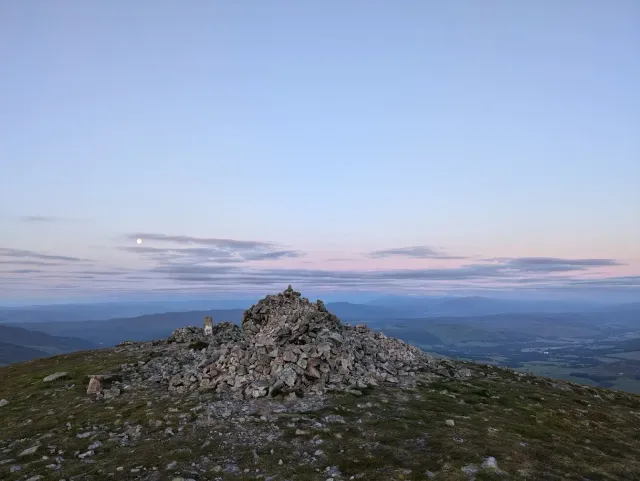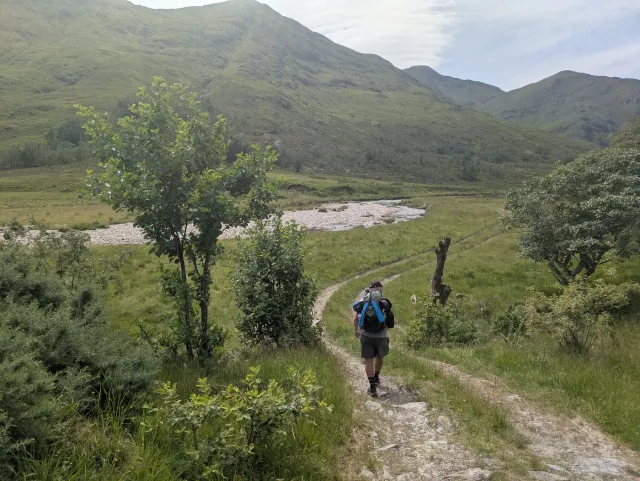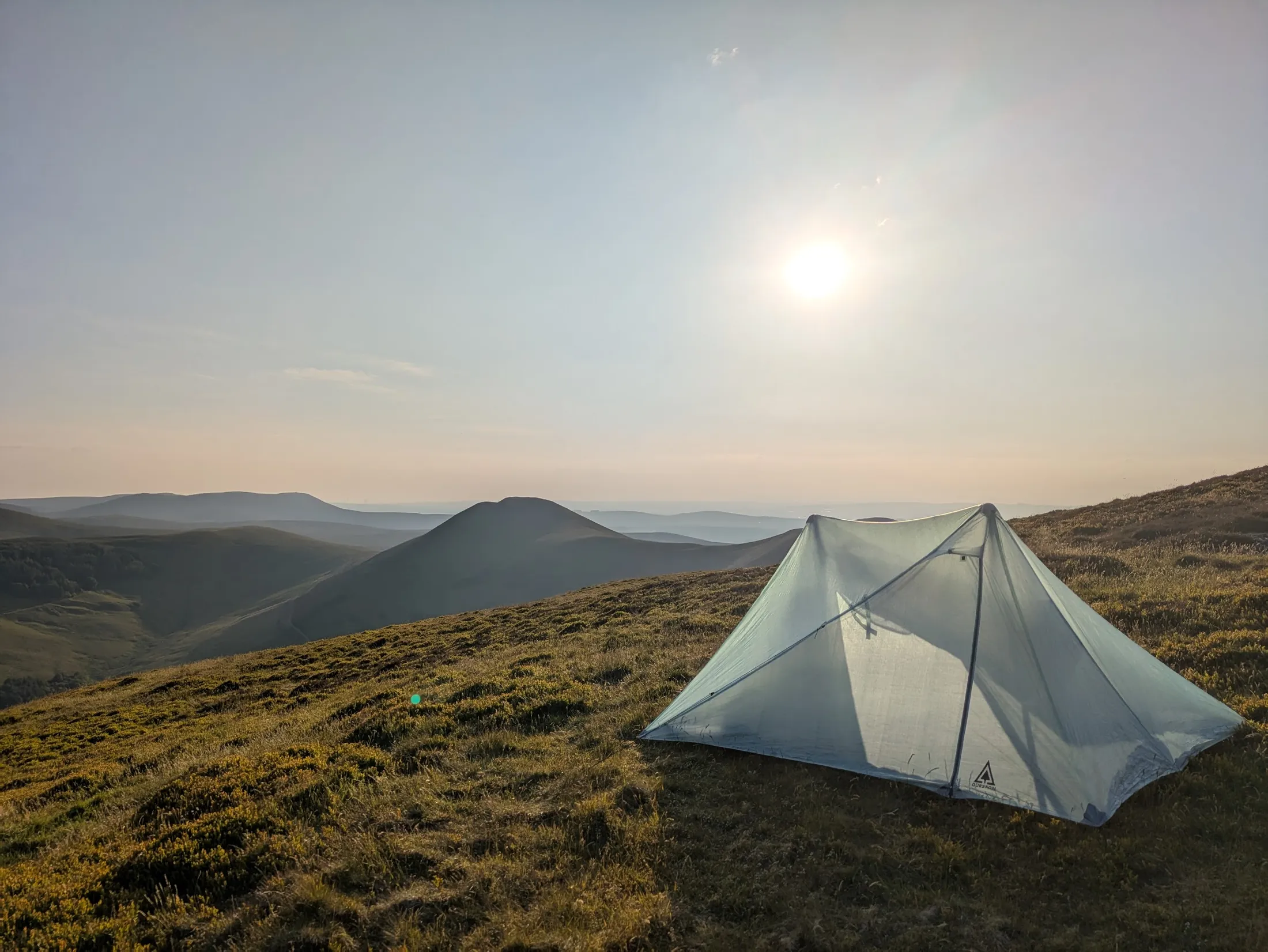
Whenever someone in my family heads out for a hill walk or a camp, they will usually drop a What3Words pin on the family WhatsApp. When I head out, I tend to send my partner a photo of a loop from a guidebook with a few words added on. Both do a real job, a What3Words pin especially: it is a precise spot someone could read straight to mountain rescue. What neither quite carries is the fuller plan: where you are headed, roughly when, and when you are due back.
Adding to the pin, not replacing it
None of that goes away; keep sending it. A What3Words pin is still one of the most useful things you can share: a precise location for a friend, or for the emergency services if it ever comes to that. Trip contacts just sits alongside it, holding the wider plan in one place instead of a single point.
The trip itself stays private. Nothing about it is public, and nothing is shared until you choose to, and only with the people you pick.
What the people at home get
They open a link, with no account and no app to install, and see the useful bits: where you are expecting to be, rough timings, the gear you have with you, the food you are carrying, and any notes that would help if you are overdue. There is a wee "key gear" panel too: the shelter, the light, and what you are carrying to signal for help. It is drawn straight from your packing list, so it is honest about what you actually took. It is not a promise that any of it will save the day.
The link stays live, so if the plan shifts before you leave, they always see the latest version. It quietly expires a while after the trip ends.
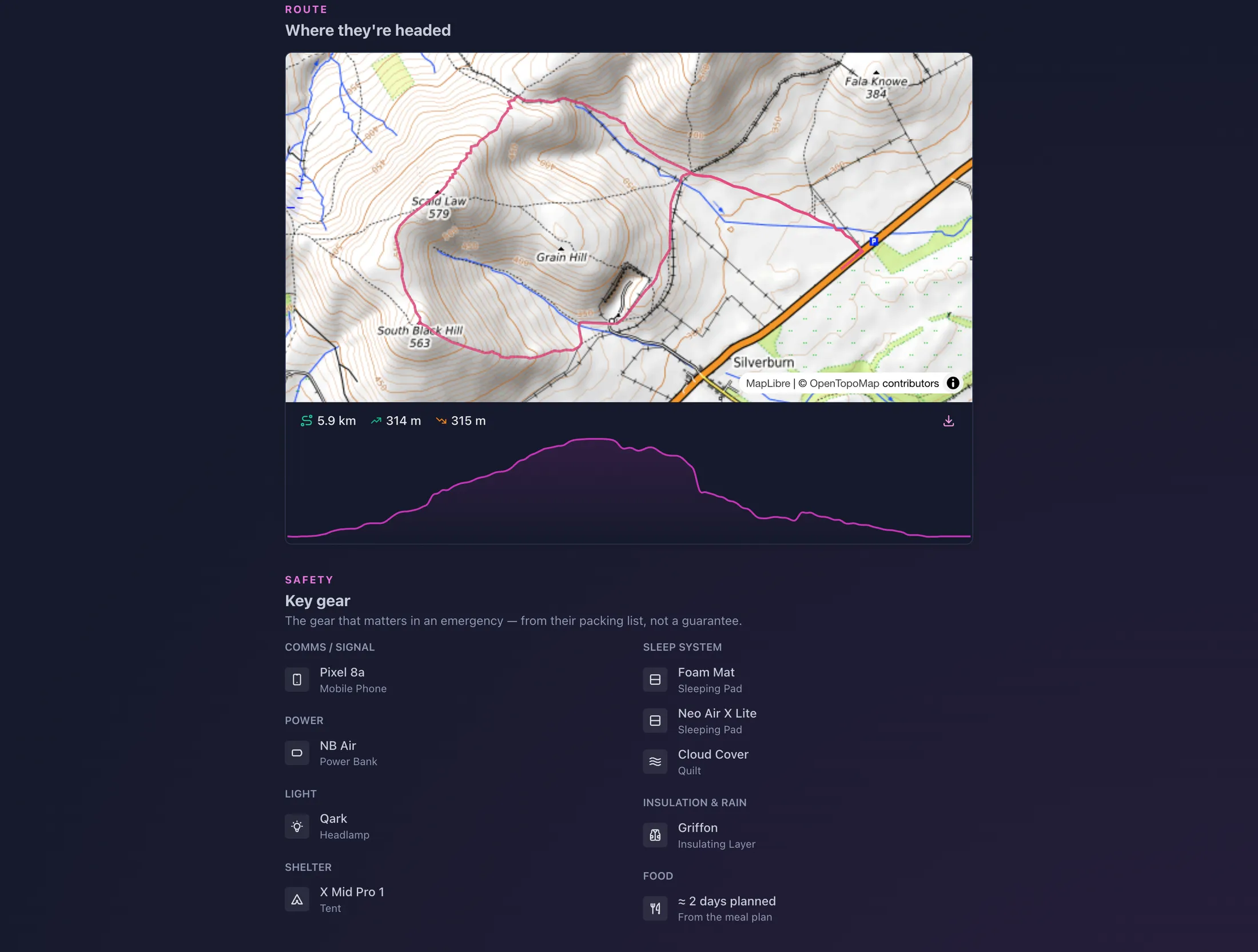
What a contact receives: the route, the climb, and the gear that matters if things go wrong. No login needed.
You choose who is told, and when
You keep a short list of contacts (a partner, a parent, a walking friend) and pick who is on each trip. Selected contacts are emailed the plan a few days before you leave, automatically. For a same-day, spur-of- the-moment outing, there is a Send button that goes right away.
And you can take it back. Turn a contact off and the link they were sent stops working. It is your plan; you decide who holds it.
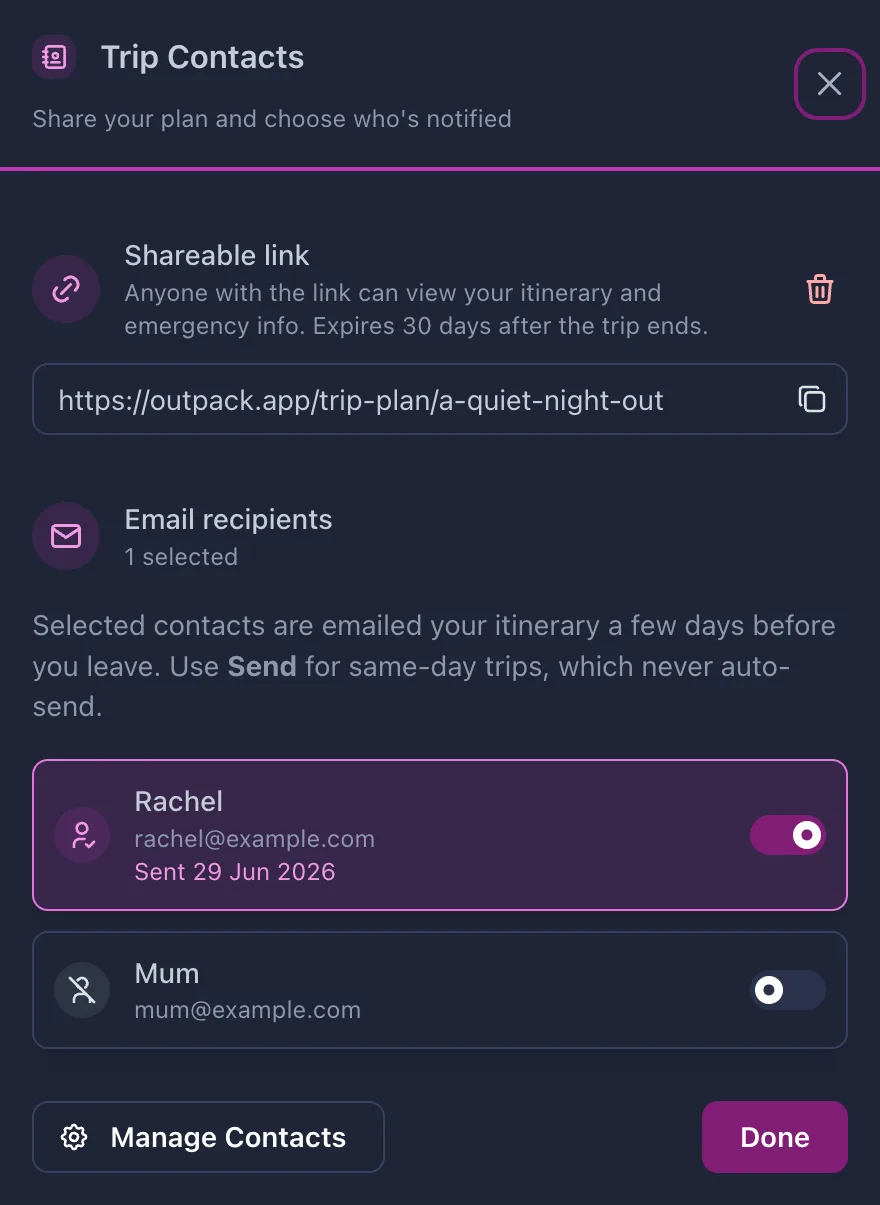
Choosing who is notified: a shareable link, plus contacts emailed a few days before you head out.
What it deliberately is not
It is not a tracker, and it is certainly not a safety device. Please do not treat it as one. There are no check-ins, no live dot moving across a map, no alarm if you miss a time back. In the hills, that job belongs to proper kit and habits: a satellite messenger or beacon, a way to navigate that does not depend on phone signal, and someone who genuinely understands your plan and when to raise the alarm.
I am not the person to lecture anyone on best practice. It is serious, personal, and everyone's ground is different. For what it is worth, I carry and lean on those things myself, and OutPack simply sits alongside them. Trip contacts is one more small aid, not a substitute for any of it.
It stays quiet on location, too. A wild camp is a private thing, so the spot defaults to hidden, and I have no interest in turning anyone's favourite pitch into a shared pin. Leave no trace, including online.
"It is not a safety net. It is just the plan, gathered in one place and left with someone you trust before you go."
A worknight on the Pentlands
The shared plan above is a real trip: an after-work night on a local hill with my friend Bruce. Nothing risky, but the same plan matters just as much on a small trip as a big one. I planned the gear, wrote a rough timeline, and before I left, a tidy summary reached my partner: here is the hill, here is roughly when, and here is when to start making calls.
I have been out and found zero reception more than once, on a hillside where I expected bars. That is exactly why the real safety kit matters, but it is also when a plan left at home earns its place. It will not call for help, but it means someone responsible knows the shape of the day, and roughly when I am due back.

I hope it helps you head out having done the sensible thing — someone at home holding the plan.
— Andrew